How to start a Community Ownership project?
Working recently on the transformation of St Mark’s Church, reshaping it to serve a broader cross‑section of the community while generating income to support the ongoing care of the building, prompted us to reflect more deeply on the role of community spaces today. As lifestyles shift and patterns of use evolve, the question becomes not just how we restore these buildings, but how we sustain them in ways that keep them active, relevant, and resilient for the long term.
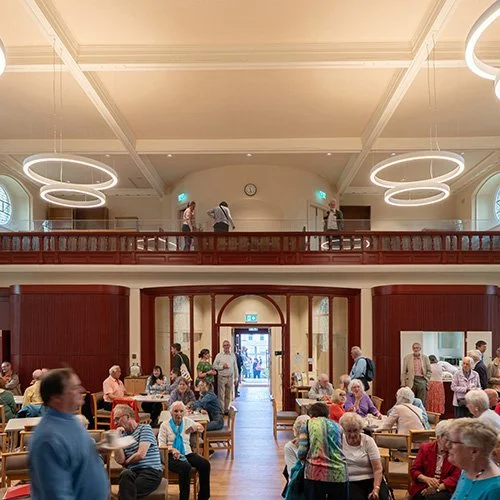
Not all buildings used by communities are churches, some are sports halls/ old schools/ etc. but many of these buildings are becoming redundant while services are centralised leaving prominent buildings in the centre of communities without a viable use.
At the same time many people are looking for places and activities to grow community around as they search for meaningful community contact outside of life at work or online. Community places are becoming essential infrastructure for well-being allowing individuals to rebuild trust, identity, and belonging and to support mental health, social cohesion, inter-generational connection and everyday resilience.
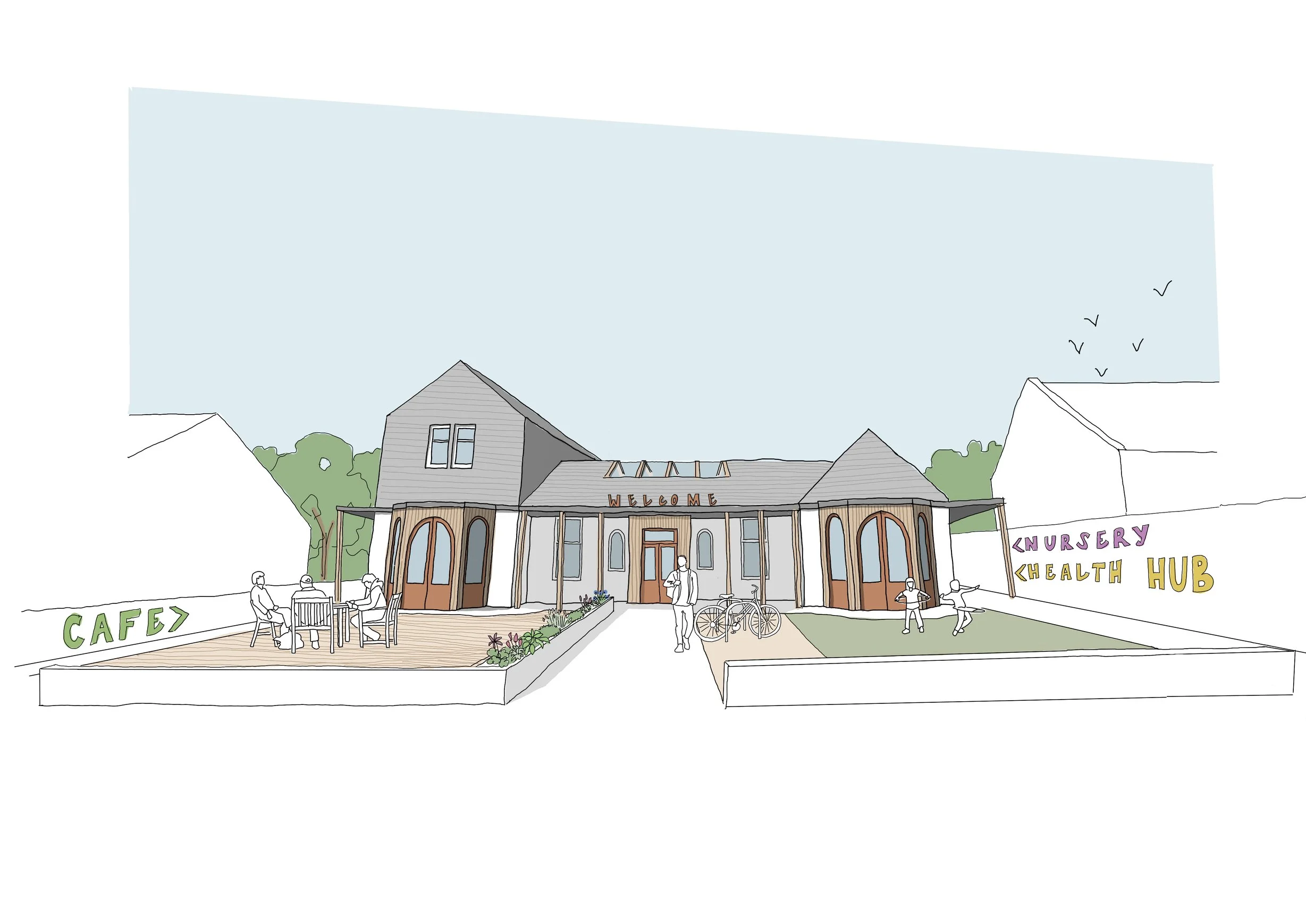
Existing buildings typically have poor quality external fabric which requires upgrading in order to provide a comfortable indoor environment. The layout of the building is not likely to be optimal for what the community group need - i.e. a balance of revenue and non-revenue generating activities that appeal to a range of users. It is also likely that the building will require upgrades to meet accessibility and fire standards.
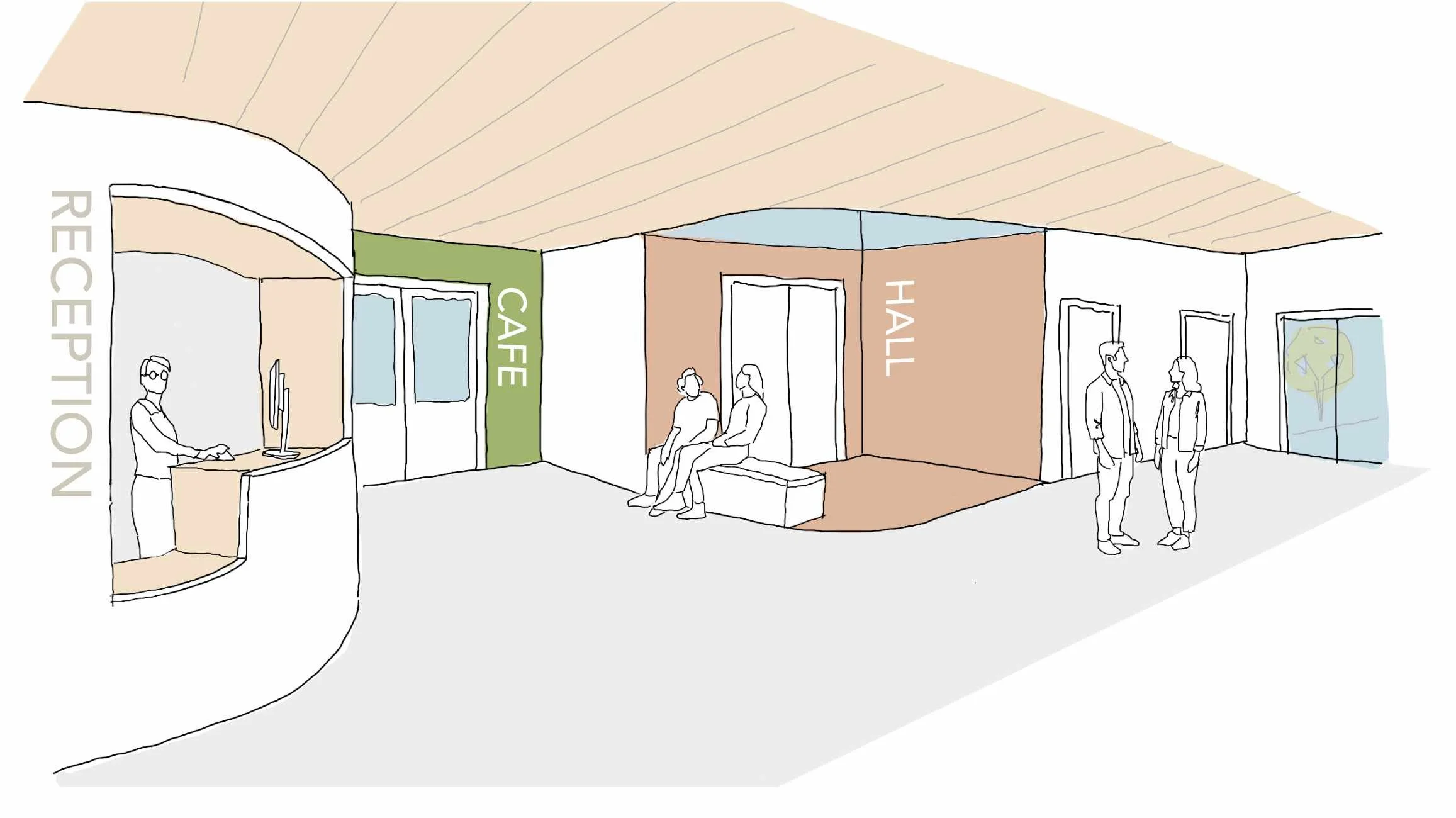
Our experience lies in adaptive‑reuse, historic buildings and sustainable architecture. Existing buildings aren’t a completely blank canvas, but with the right understanding and approach it is possible to transform them — whether that is based on careful phasing, prioritising low‑carbon interventions, or shaping a strategy that extends the life, performance and resilience of the building for its community.
Community-led development - How can we help?
We can guide communities through each stage of the journey to ownership, using our experience to realise the vision:
1 Early engagement and listening - Using our experience of adaptive-reuse and work with existing buildings we can help to align the community vision with the opportunities that the building presents.
2 Context and site understanding - Our background in architecture can help to unpick the surroundings and highlight opportunities.
3 Community and stakeholder workshops - We are able to develop materials to aid in defining the community vision - having a vision that is tangible helps to foster engagement.
4 Brief development - Taking the vision and interpreting workshop feedback we can help establish a clear set of goals that all future decisions can be based on.
5 Establish a clear decision making and communication framework - We work with groups in a way that ensures transparency and stakeholder alignment.
6 Feasibility and options testing - Using our extensive experience of existing buildings we can develop options and provide clear opportunities and constraints evaluations for each.
7 Establish and agree a path forwards - At the end of the above process we believe the success of the next stage is founded on clear communication of the outcome and an agrred way forward with a timeframe.