Adapting historic homes for modern living
Clients with historic homes often come to us at a turning point – drawn to the building initially for its proportions, materials and craftsmanship, but uncertain how to adapt it for the way they actually live now.
Many existing properties have already been altered over time – sometimes several times – so the challenge is rarely starting from scratch. More often, it’s about understanding how the building already works, and deciding how best to work with what exists.
At Taft, our starting point is always to understand the building first and intervene in a considered way. The aim is not always a dramatic transformation, but thoughtful change: improving how a house functions and feels while protecting the qualities that made it worth preserving in the first place.
Reading the building
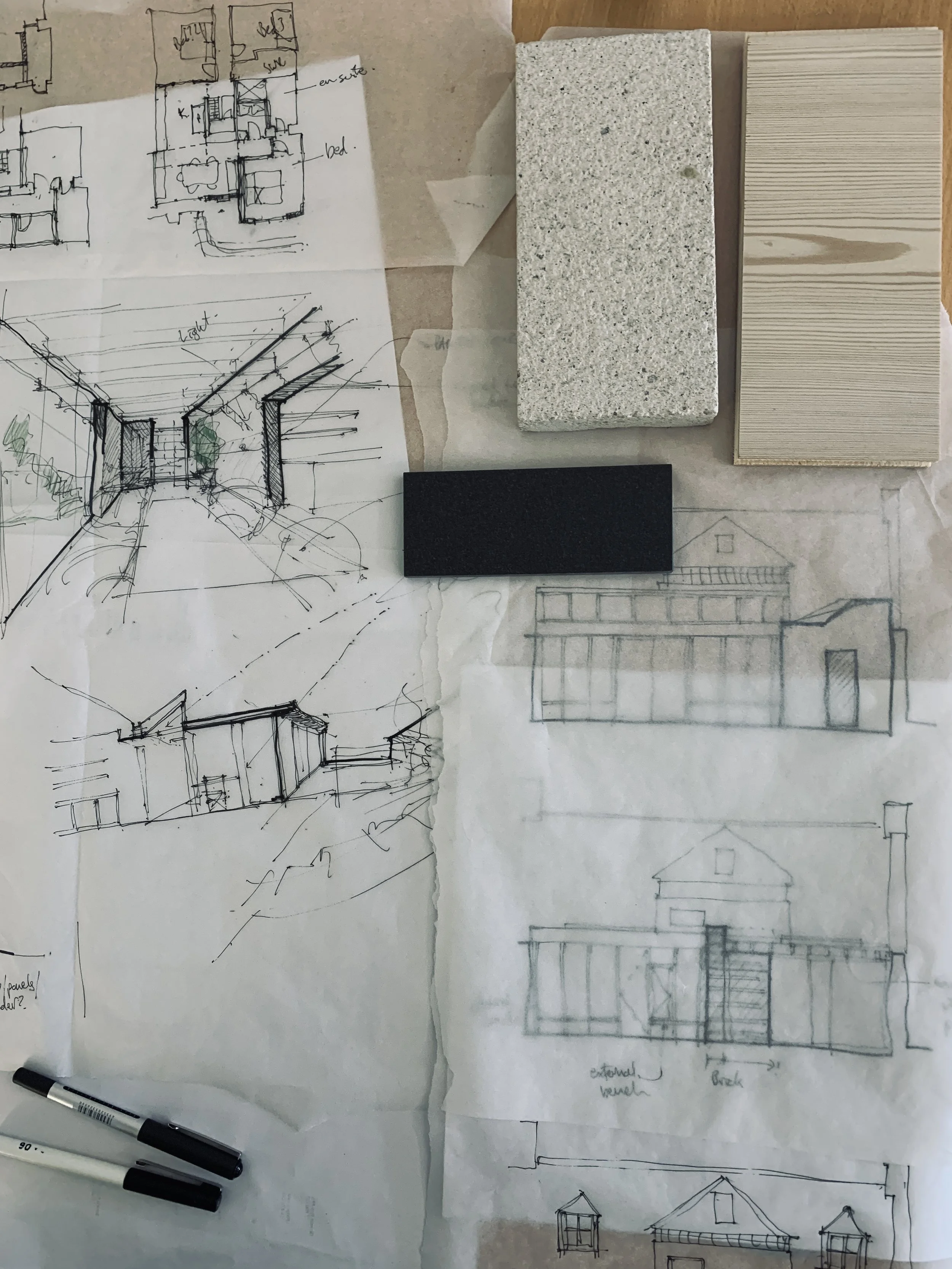
Every project we undertake begins with observation and research. Historic homes often carry the marks of earlier adaptations, and these previous works can reveal a great deal about how the building has evolved – and which changes have worked well and which have not.
Understanding these earlier phases helps identify which elements of a house work well and which do not. It also helps shape a design approach that respects the building’s character - rather than working against it.
This early stage is not limited to the building itself. Light, landscape and the relationship between interior spaces and their surroundings all play an important role. When you've lived in a property for many years, it’s easy to develop quite fixed ideas about how it functions. A fresh perspective can reveal possibilities that were simply overlooked.
In one project, for example, a walled kitchen garden had been treated simply as a storage space. It was disconnected from the house and invisible from the main living areas. By rethinking the relationship between the house and the garden, the design transformed that overlooked space into an important part of how the property functioned.
Clients sometimes arrive with clear plans for major upgrades – often a new kitchen or significant internal changes. But living in the house for a short period can often change those priorities. Once clients spend time in the space, they begin to notice which rooms they naturally gravitate towards, how light enters the building during the day and where the house already works well.
Part of this process also involves encouraging clients to settle into the space and reflect before making major decisions.
Bringing in the new
Introducing new elements into a historic building is not always straightforward. The choice between extending, reconfiguring existing rooms or leaving spaces largely untouched emerges gradually as the design develops.
At Taft, we guide this decision-making process and develop the design in layers. Initial observations are combined with the practical needs of the client and an initial proposal formed. During this process the design is also checked against planning and warrant requirements and budget costs. Through this iterative process, a clear direction begins to emerge.
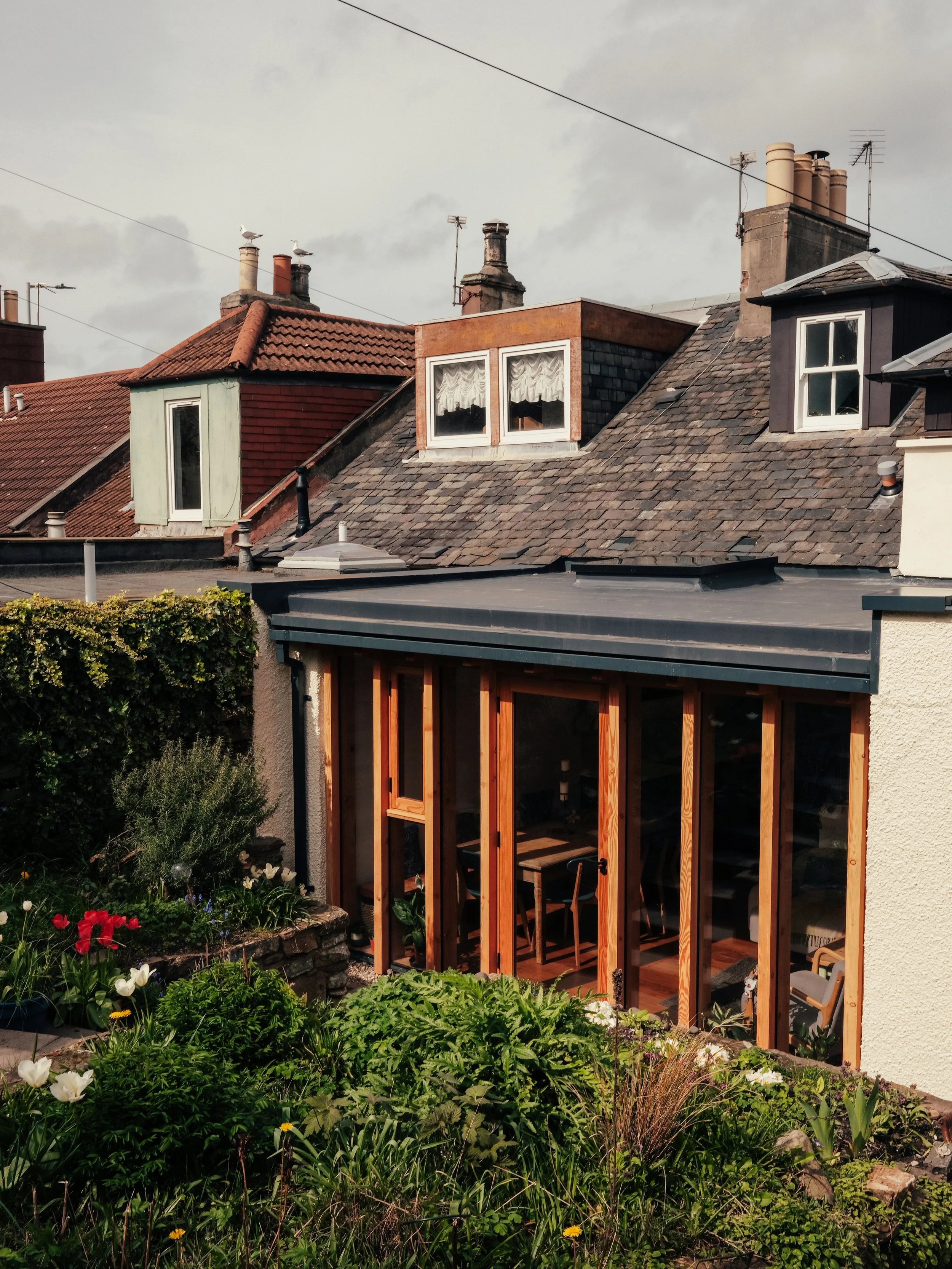
When new design elements are introduced, we generally favour contemporary interventions that acknowledge the building’s history rather than attempting to replicate it. Historic architecture, particularly in periods such as the Georgian era, was highly refined, and poorly executed replicas can often undermine the overall quality of the space.
This approach is reflected in projects such as Joppa Cottage, where a contemporary extension was designed to sit comfortably alongside the existing historic structure.
Finding the right balance
There is often a sliding scale in how contemporary a new intervention can be. Some buildings comfortably accommodate more modern design approaches, while others respond better to a lighter touch. Finding that balance depends on the character of the building, the ambitions of the client and the planning context.
Taft's approach is to use traditional materials in contemporary ways, creating a visual dialogue between old and new while ensuring the additions remain legible as part of the building’s evolving story.
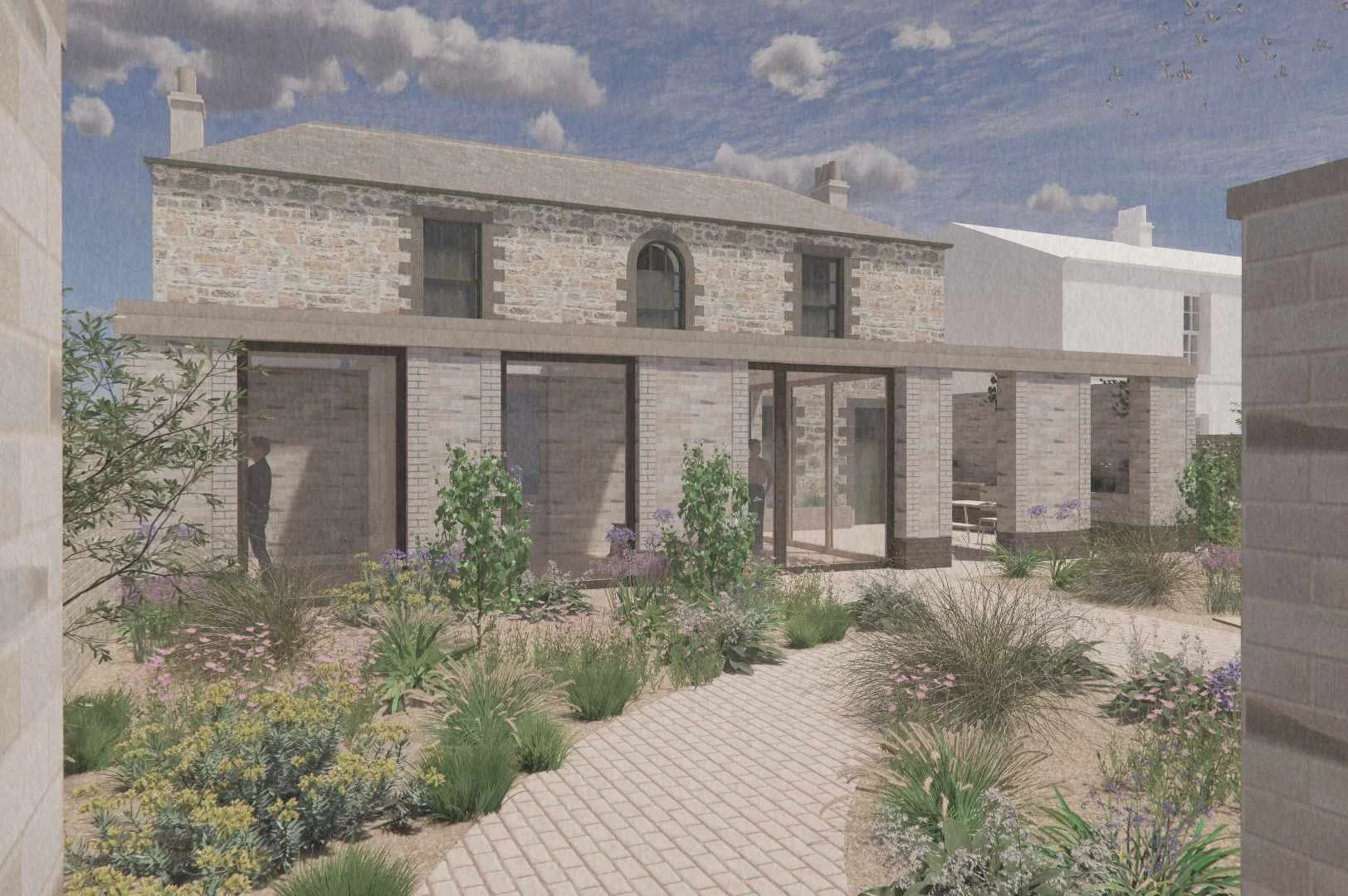
A recent proposal for a Georgian villa demonstrates this approach. The design introduced a sequence of garden rooms intended to extend the home into its landscape. Rather than creating a stark contrast between the historic house and the new elements, the design developed a series of transition spaces that gradually moved from the existing building into the contemporary addition.
This sequence allowed the extension to feel integrated with the original structure while still expressing its own identity.
Comfort and long-term value
Improving comfort and energy performance is another important aspect of adapting historic homes, but these changes need to be approached carefully. Interventions that appear straightforward can sometimes introduce new problems if they are not compatible with the building’s construction.
Often the most effective improvements are the simplest. Addressing drafts, for example, can significantly improve comfort levels without major structural intervention.
A house can feel slightly cool and still be comfortable, but persistent drafts quickly make a space unpleasant to live in. Addressing windows, chimneys and other openings in the building fabric can therefore have a surprisingly large impact.
At the same time, careful material choices are essential.
Introducing inappropriate materials can create long-term issues, such as damp or poor thermal performance.
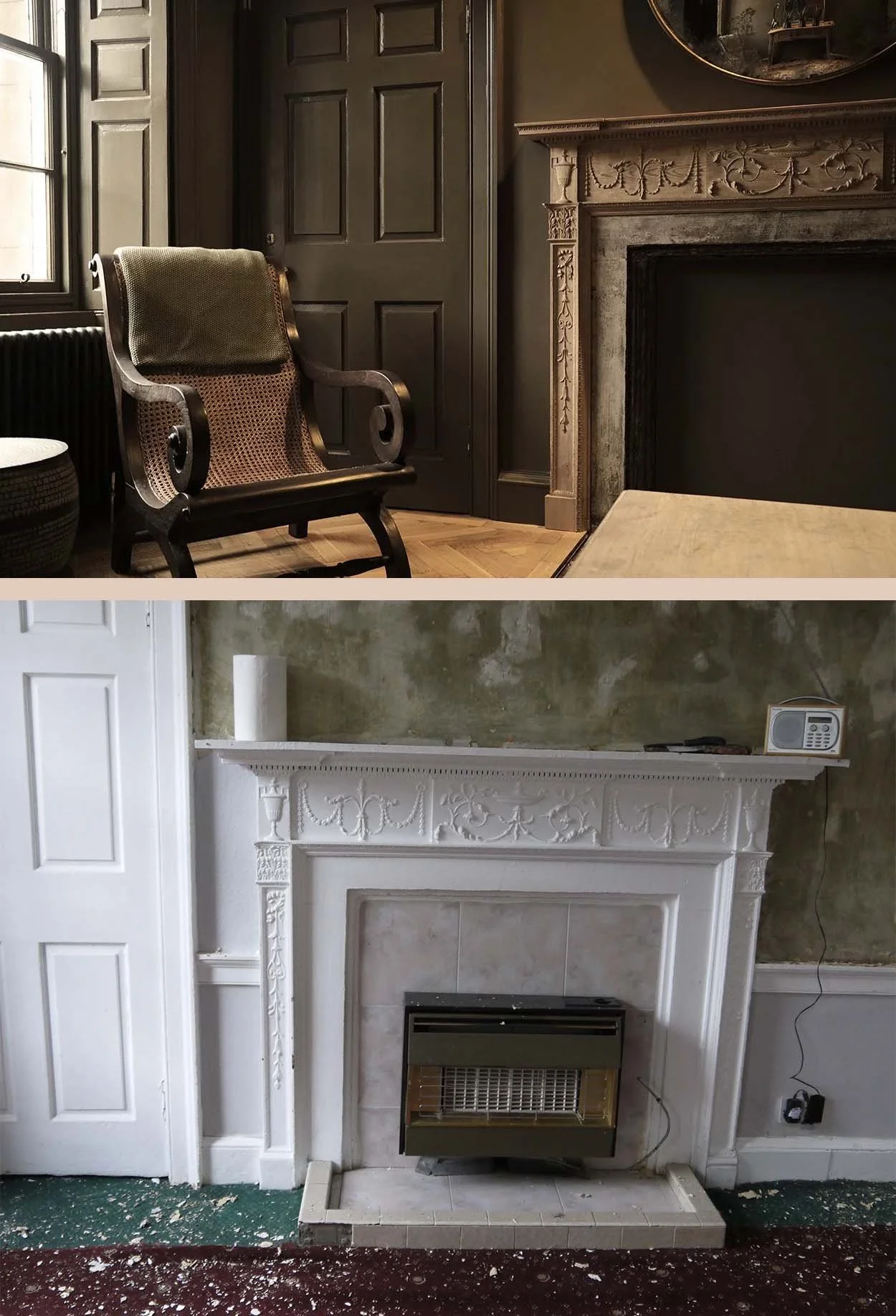
For this reason, we frequently work with traditional materials that have already proven their durability over time. These materials tend to perform well within the building’s original construction methods and often age more gracefully than modern substitutes.
In projects such as the Leith Flat refurbishment, this approach informed both the material palette and the long-term performance of the building. Link to the project here.
Design you can live with
For us, the success of a project is measured less by visual impact and more by how naturally the finished spaces work for the people living in them.
A well-resolved adaptation should create coherent spaces that feel like a natural extension of the existing building. It should also strengthen the relationship between the house and its external spaces, allowing gardens and outdoor areas to become more integrated with daily life.
Just as importantly, our relationship with the client doesn’t necessarily end when construction is finished; many projects involve continued conversations after completion, making sure that the building continues to function as intended as clients settle into their new spaces.
Historic homes have always evolved. Good design simply guides that evolution carefully – allowing a historic house to adapt to modern life without losing the qualities that made it worth preserving in the first place.
Thinking about adapting a historic home?
We work closely with clients to develop thoughtful, carefully considered changes that allow historic homes to continue evolving while respecting what makes them special. If you have a project that you would like to discuss, please get in touch below.
To read more about our planning, retrofit and sustainable design services please click here.