Baltic Street
Heritage | Commercial
Fabric Repairs, Refurbishment, Conservation
MLA for HUB
Edinburgh, UK
Service
Client
Location
Giving historic buildings a new significance
Take a step inside
Developed in the nineteenth century, Baltic Street was part of the industrial expansion of Edinburgh, driven by Leith’s thriving maritime trade. Over the years, it’s seen significant change – from being a hub of warehousing and shipping activities to periods of decline and rejuvenation.
-
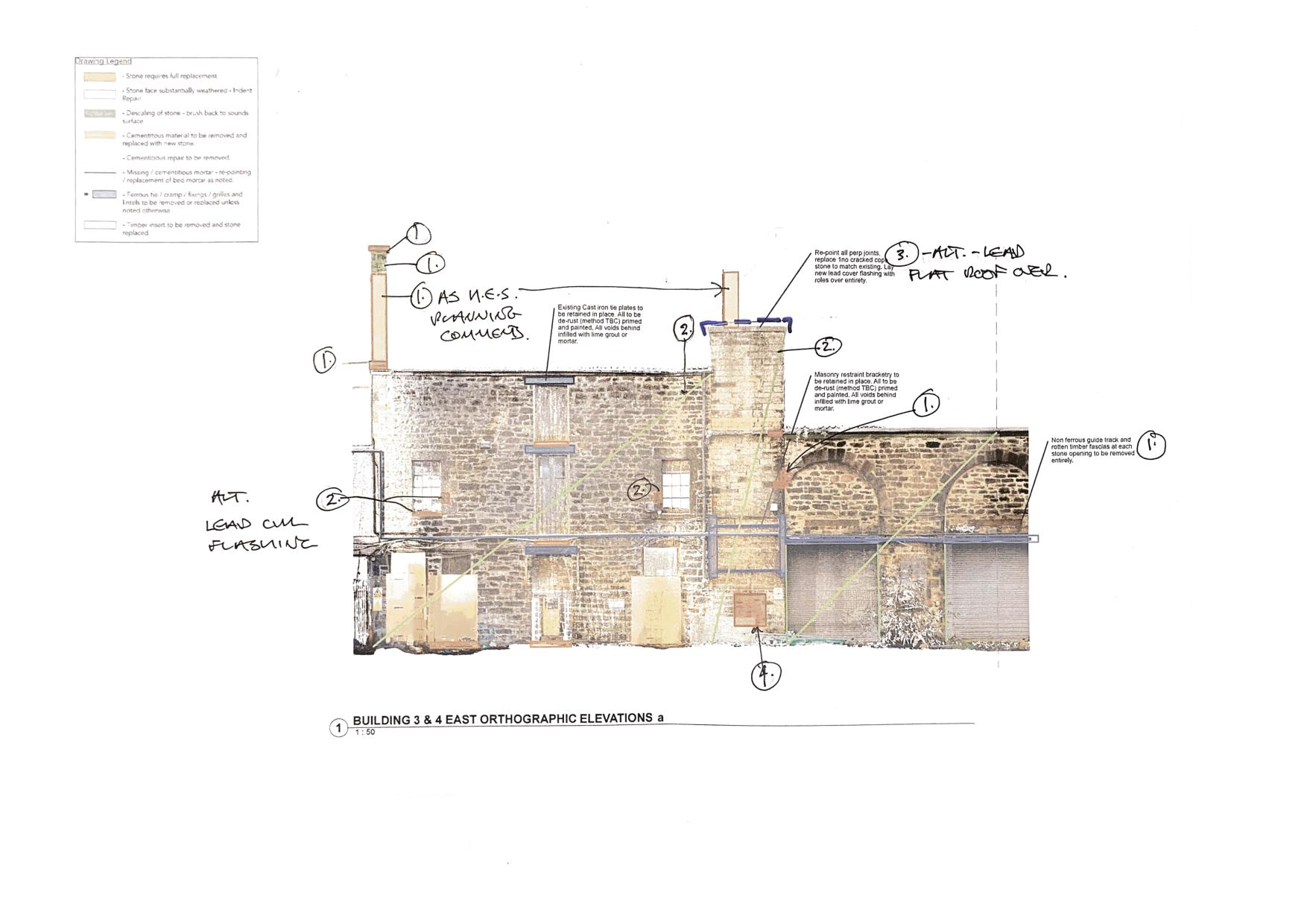
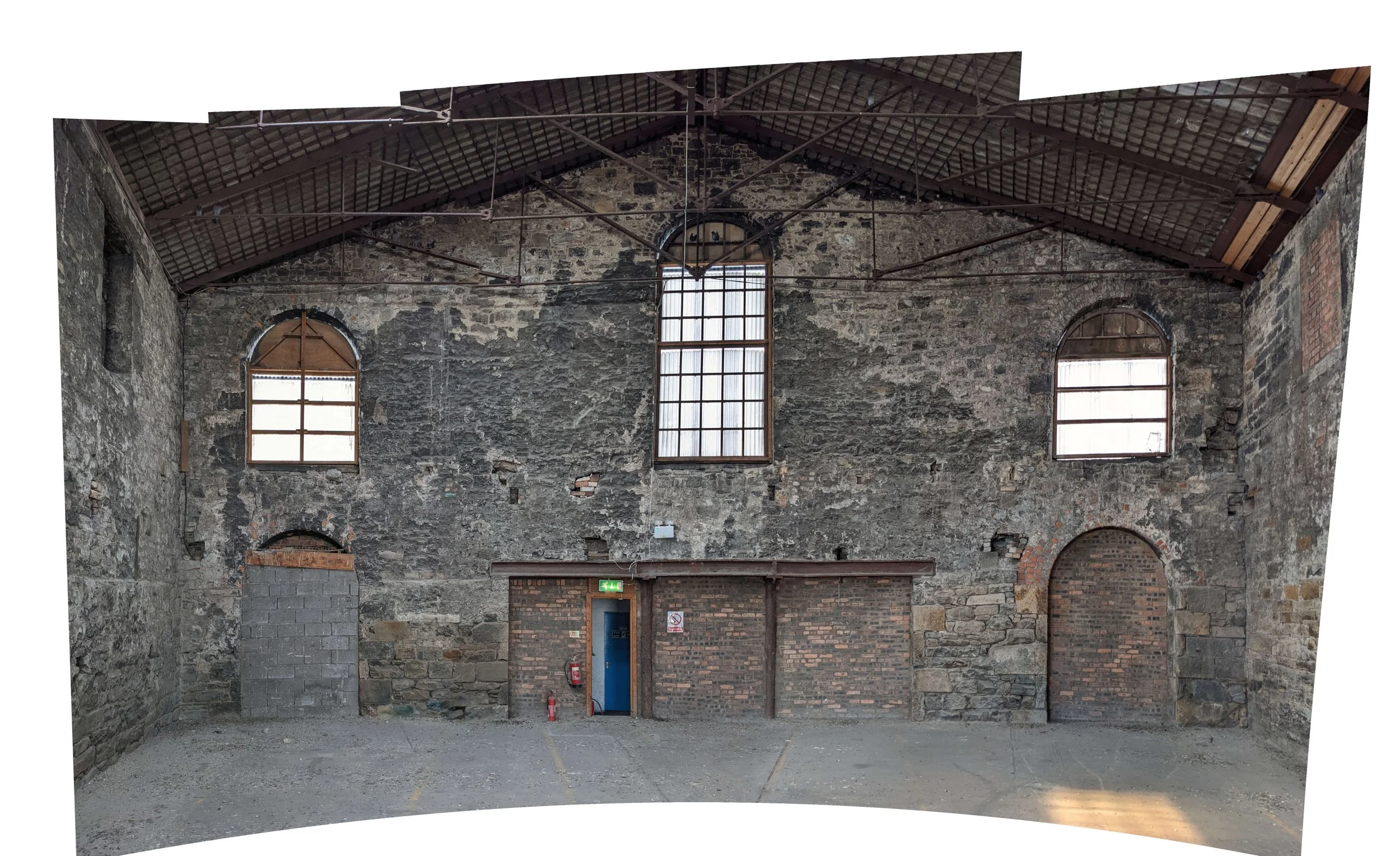
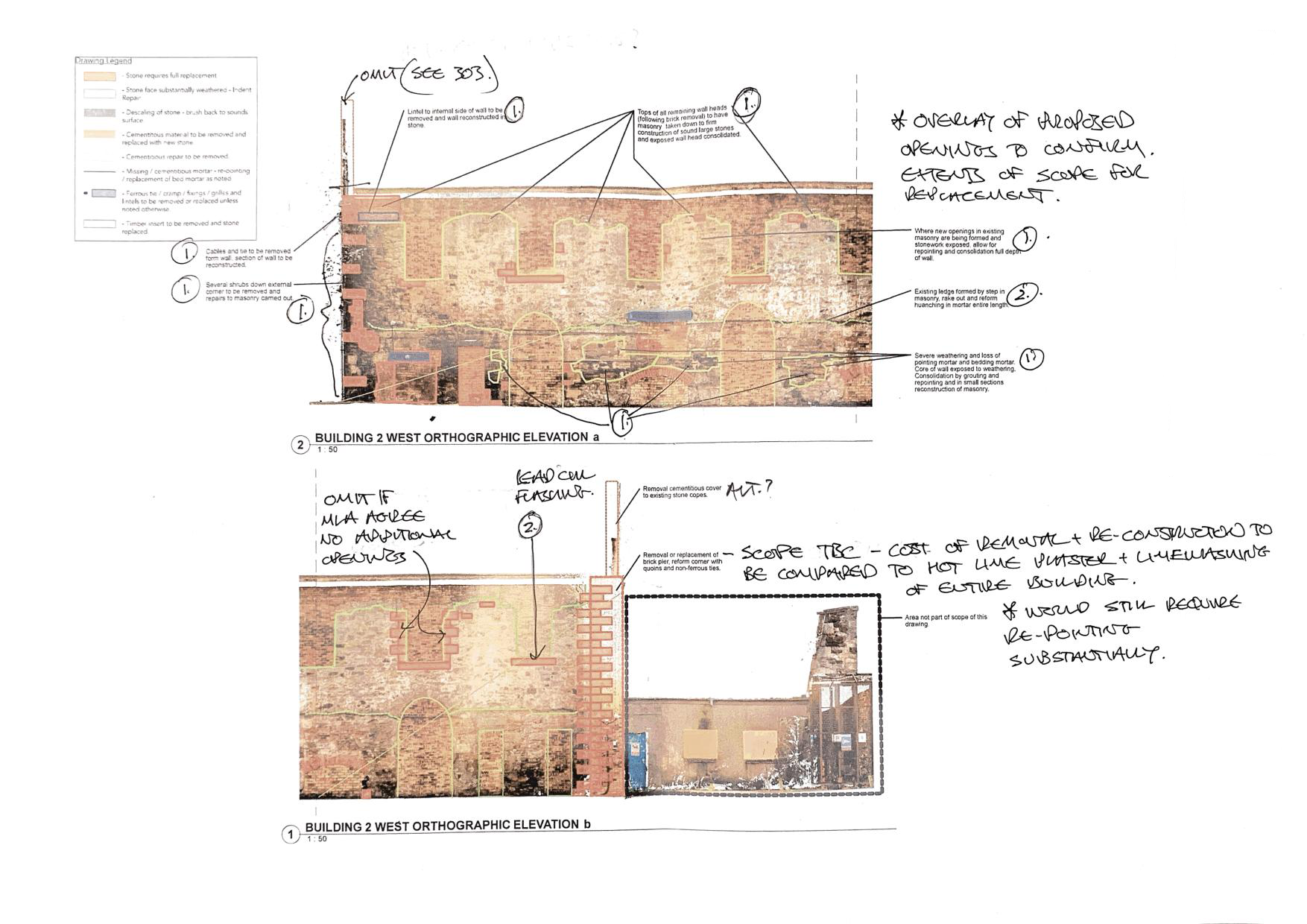
Taft was commissioned to carry out an extensive fabric condition survey for five listed buildings at the Old Gas Works site in Leith. The scope included specification and detailed drawings for clearing LBC (Listed Building Consent conditions) and a repairs package for the listed buildings and boundary walls.
In addition, the client wanted to retrofit and convert the derelict Category B listed manager’s office to residential accommodation.
-
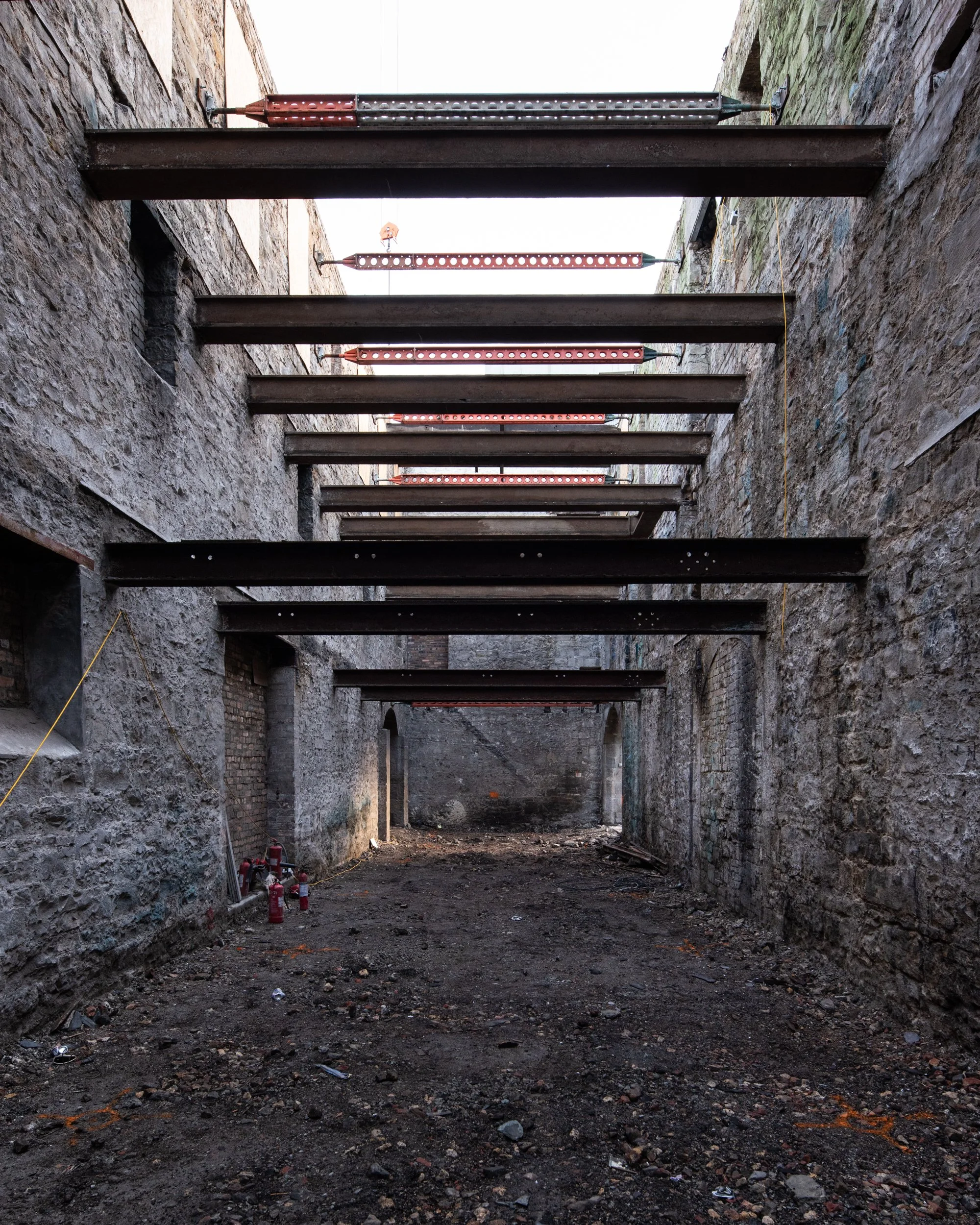
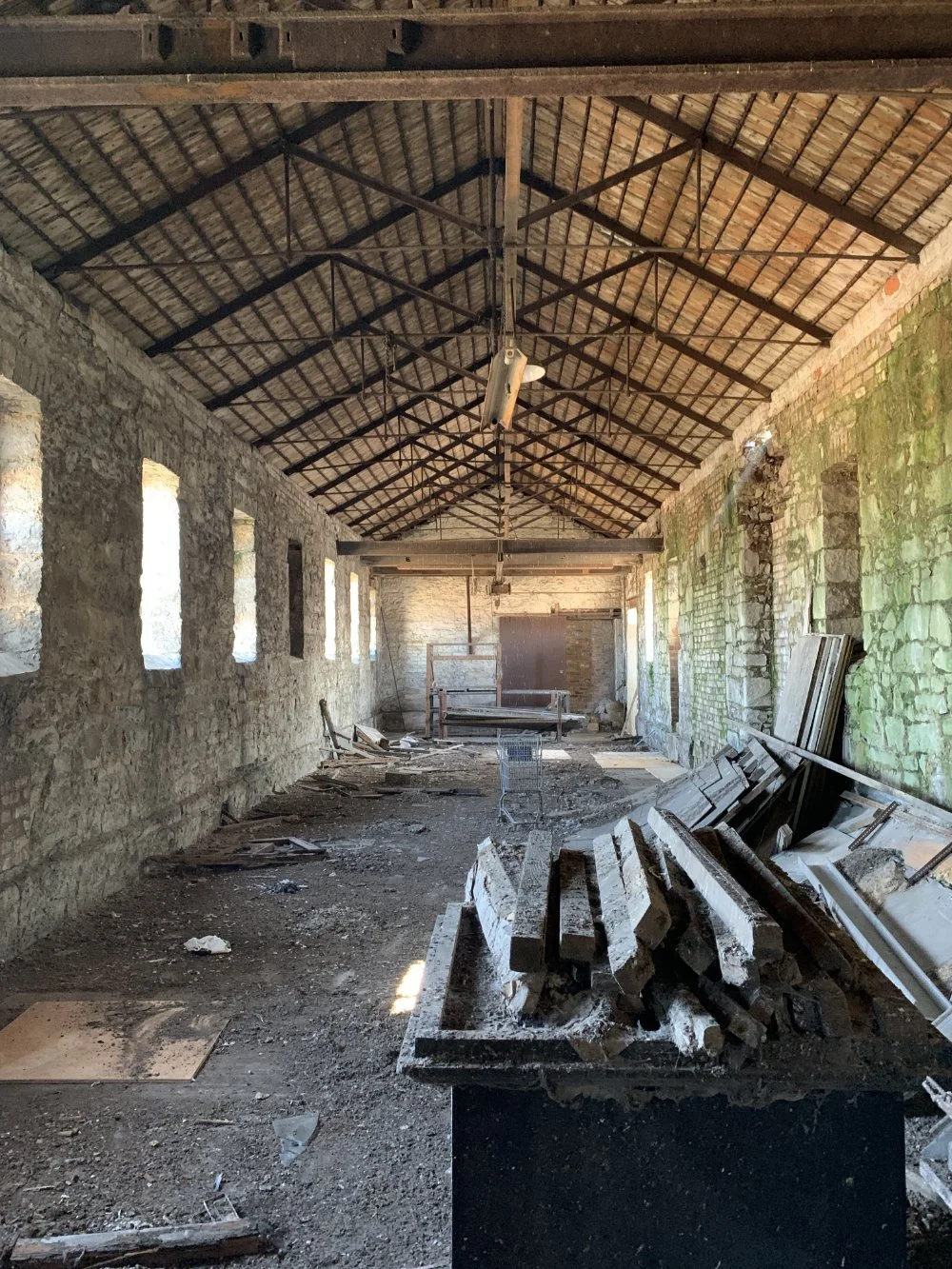
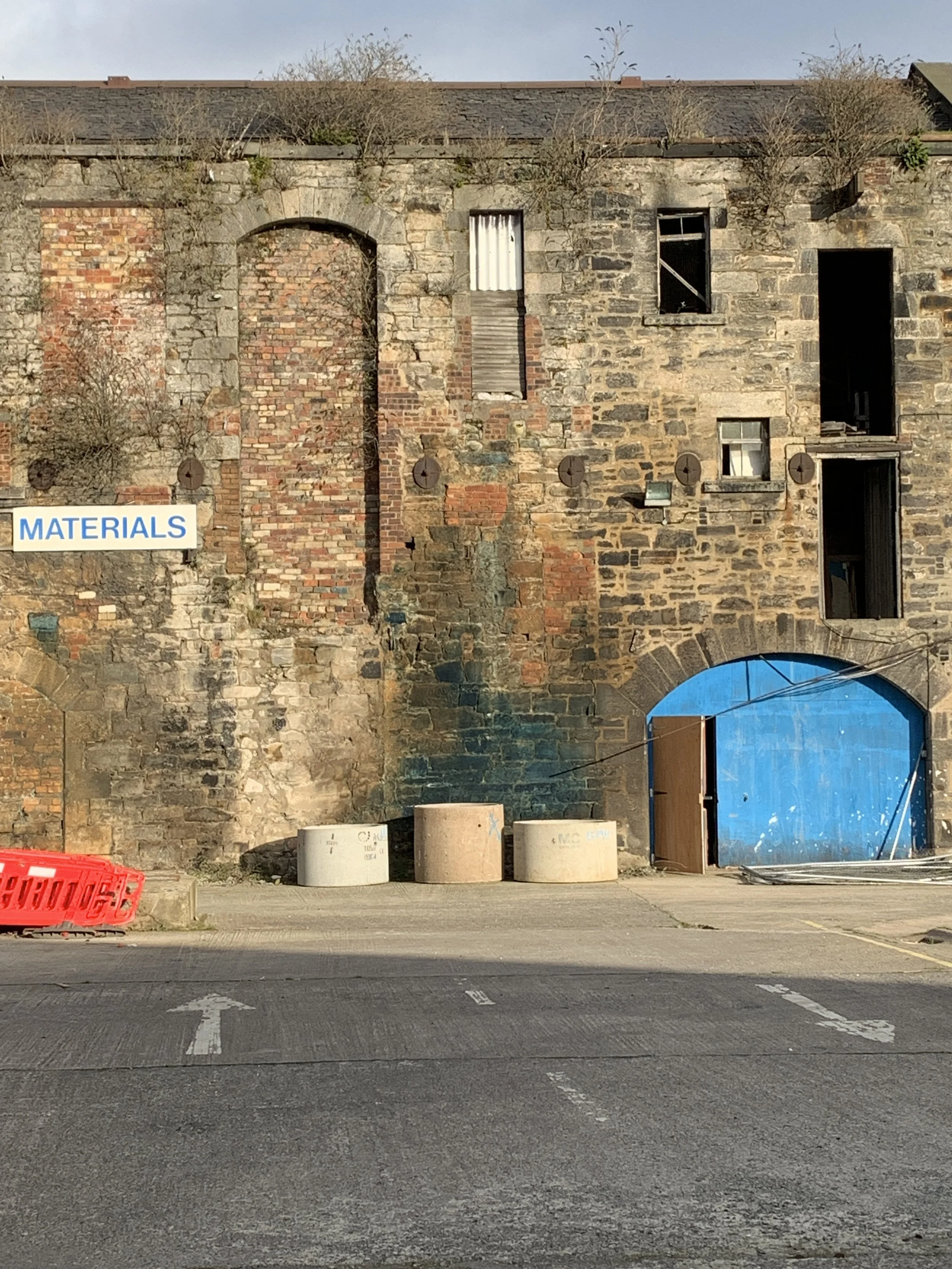
Decades of ad-hoc development had left the site with contamination and structural instability issues, putting the fabric at risk. Before any transformation could begin, our first task was to understand and stabilise what was already there.
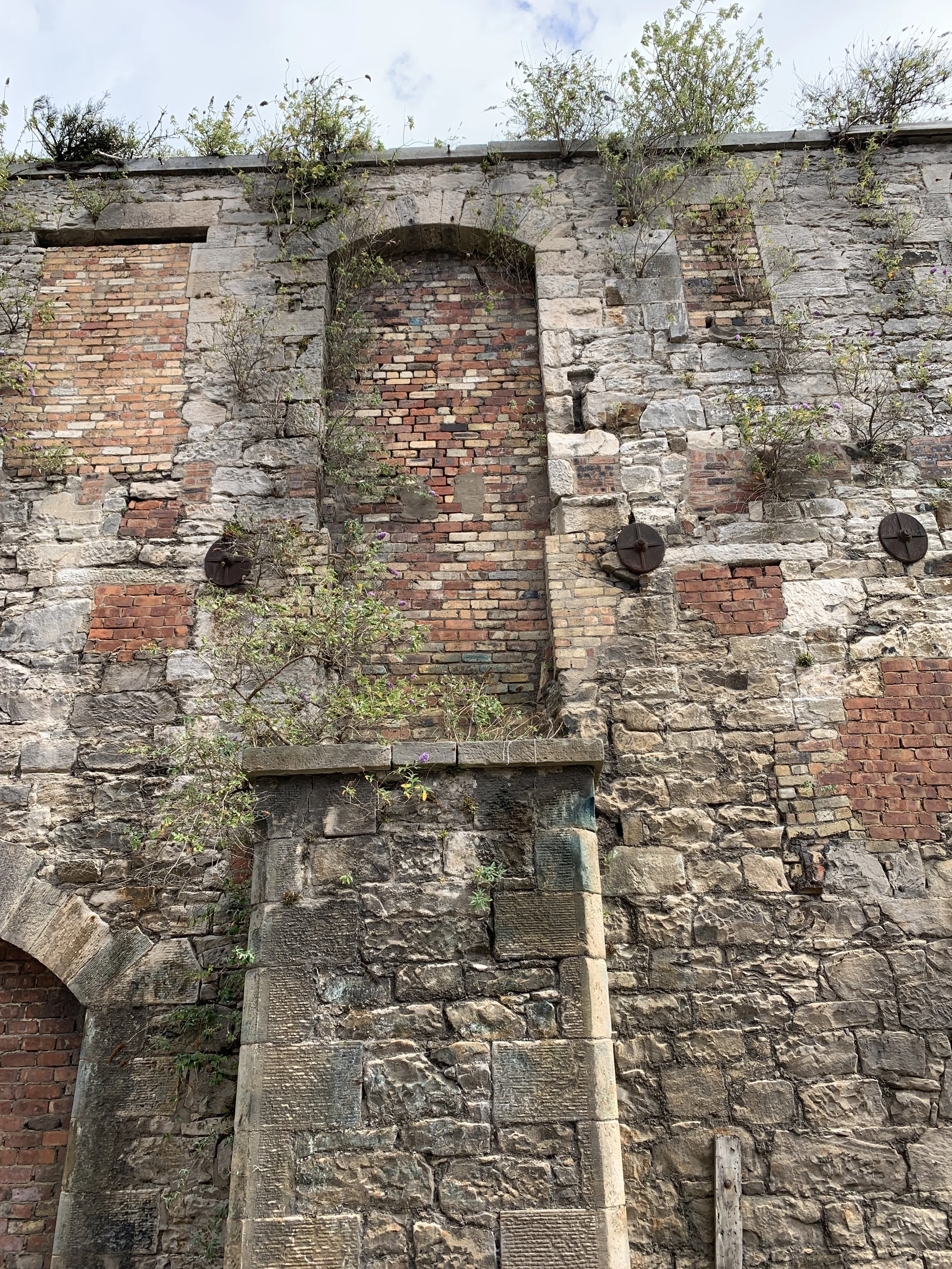
We carried out a detailed fabric condition survey across the Category B-listed buildings and boundary walls, identifying areas most at risk and developing a carefully coordinated structural strategy to consolidate the historic fabric.
This was essential to both preserve the listed elements, and ensure they could sit comfortably within the unified vision for the wider site, which includes three new buildings.
Some rooms in the former manager’s office include listed features, so we focused on delivering carefully detailed finishes to respect and enhance these.
Because the site sits within a floodplain, the internal floor levels will be raised to mitigate future risk. In addition, a number of energy-efficient upgrades are to be installed, including internal wall insulation, insulated floors, attic improvements, slim-profile double-glazed sash-and-case timber windows, and MVHR ventilation.
Throughout the project, the material palette has been carefully considered to ensure there is an aesthetic consistency, and the completed development and restorations will feel seamless and coherent.
-
Once complete, the revitalised Baltic Street site will stand as a cohesive collection of historic buildings brought back into meaningful use. Structural risks will have been removed, listed features restored and new energy-efficient measures integrated discreetly.

Photos and video by Tom Manley Photography.
Do you have a historic building that you would like to discuss? Contact us here or below.
-
![Fabric survey and repairs for a listed building on a complex site with multiple buildings in Edinburgh. Repairs include stone repairs, slate roofs and adaptive sustainable retrofit of one of the buildings from commercial to residential accommodation.]()
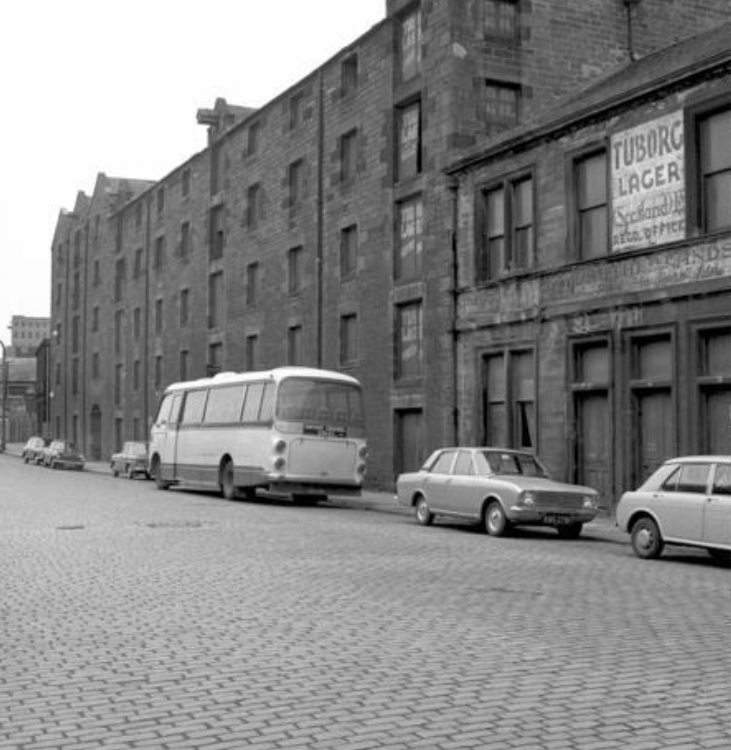
Historic photo of Constitution Street
-
![Fabric survey and repairs for a listed building on a complex site with multiple buildings in Edinburgh. Repairs include stone repairs, slate roofs and adaptive sustainable retrofit of one of the buildings from commercial to residential accommodation.]()
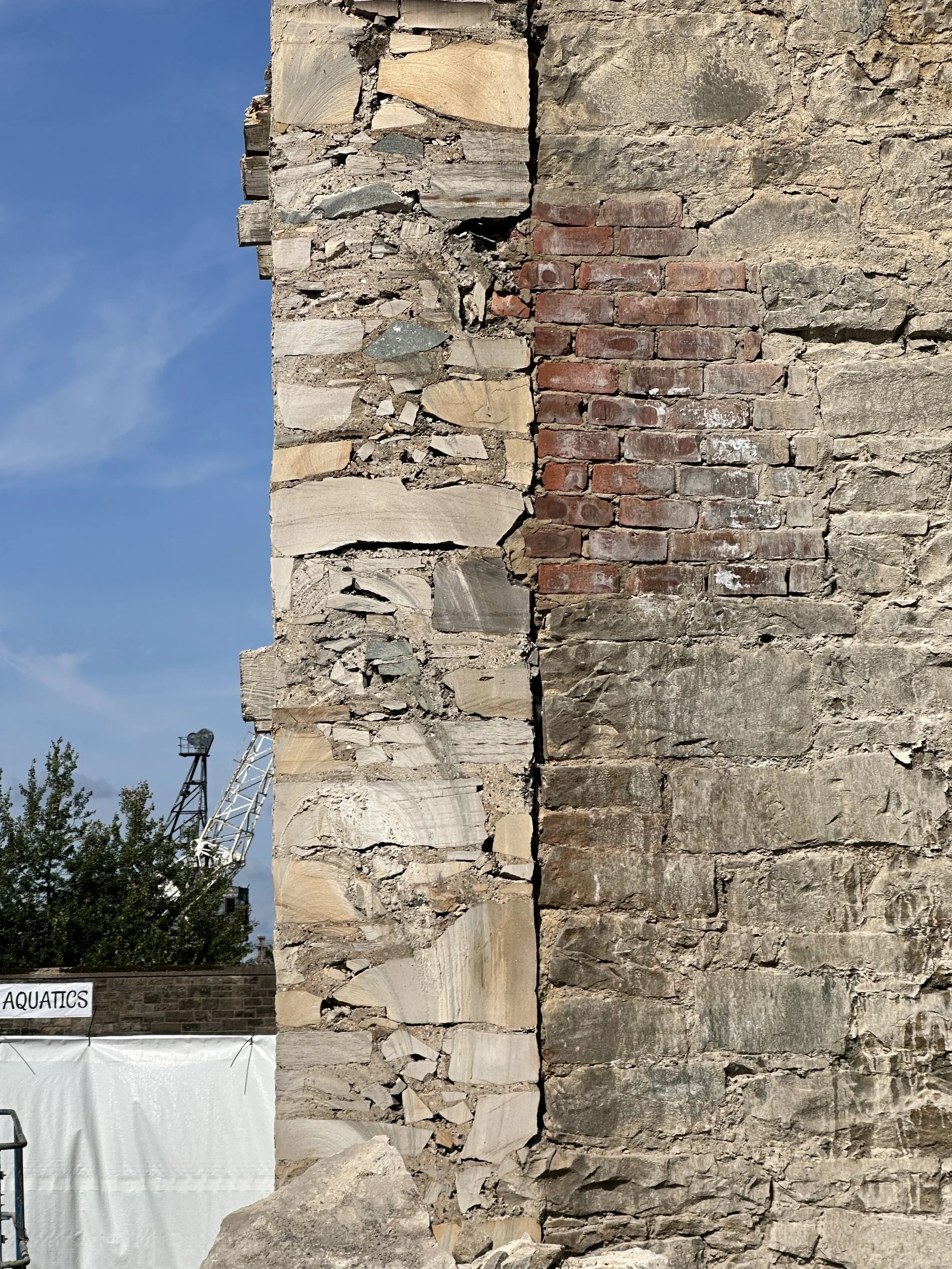
Works progressing - diamond cut wall
-
![Fabric survey and repairs for a listed building on a complex site with multiple buildings in Edinburgh. Repairs include stone repairs, slate roofs and adaptive sustainable retrofit of one of the buildings from commercial to residential accommodation.]()
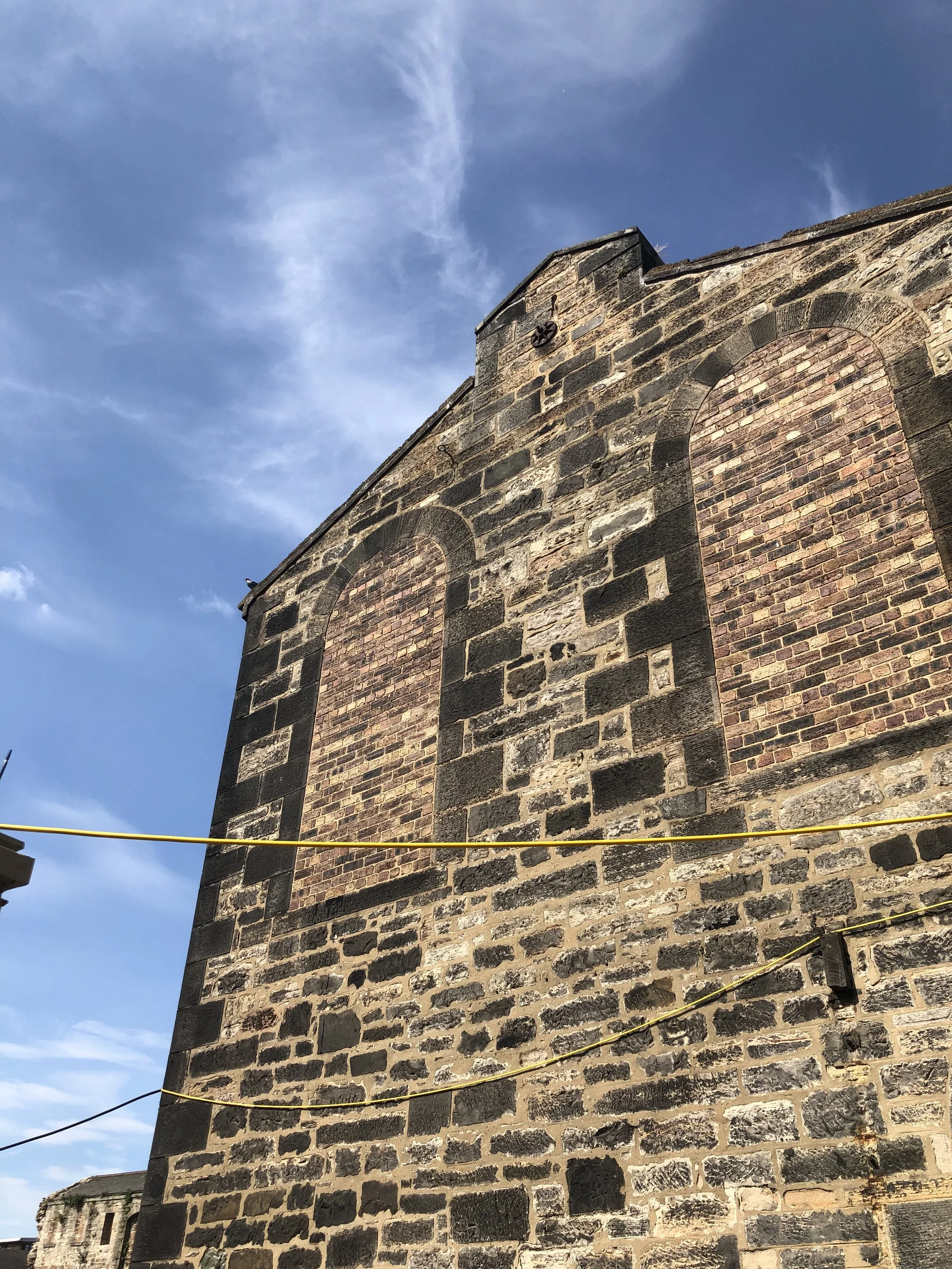
Gable elevation pre-repair
-
![Fabric survey and repairs for a listed building on a complex site with multiple buildings in Edinburgh. Repairs include stone repairs, slate roofs and adaptive sustainable retrofit of one of the buildings from commercial to residential accommodation.]()
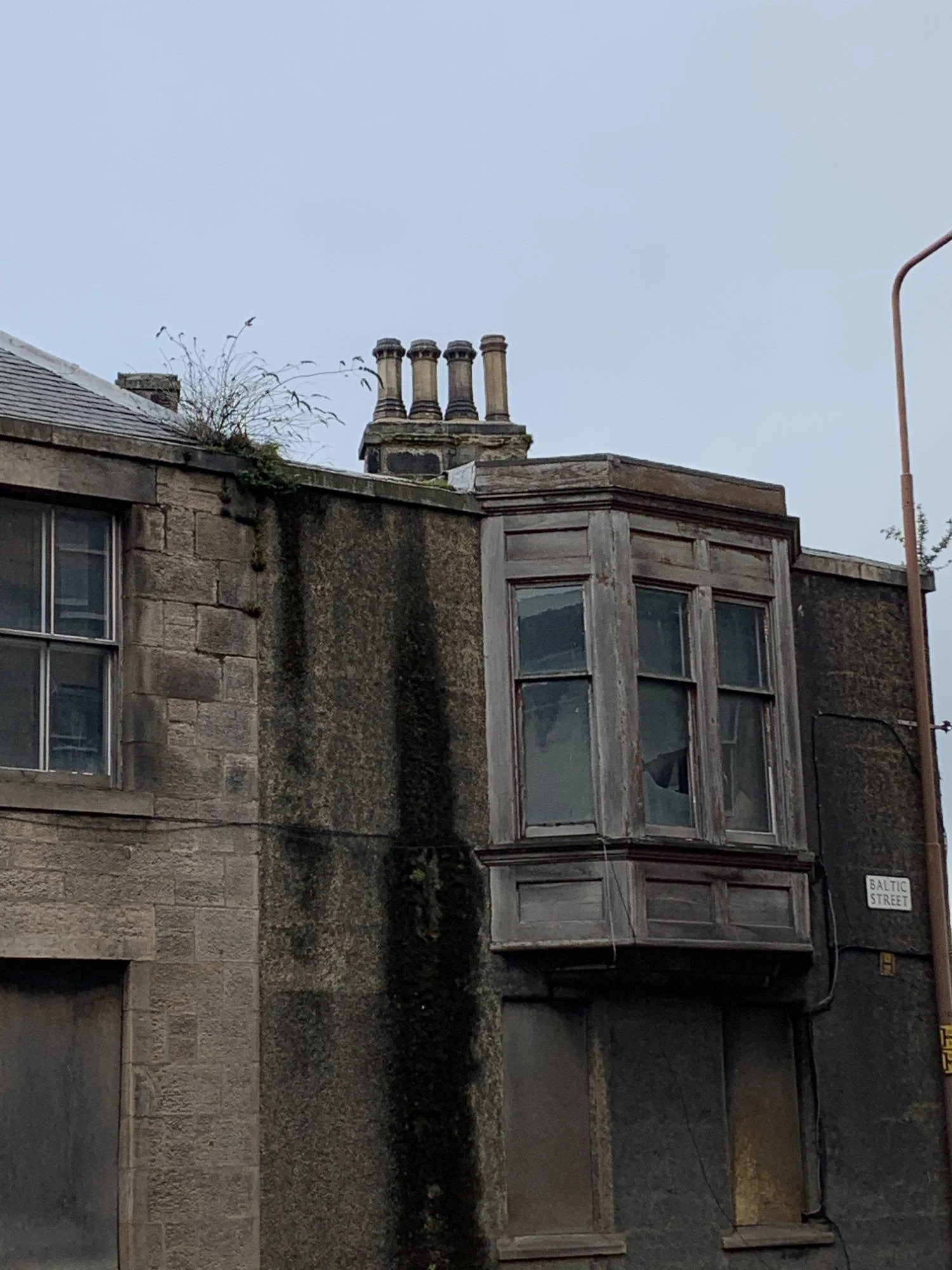
Timber bay window - pre-repair